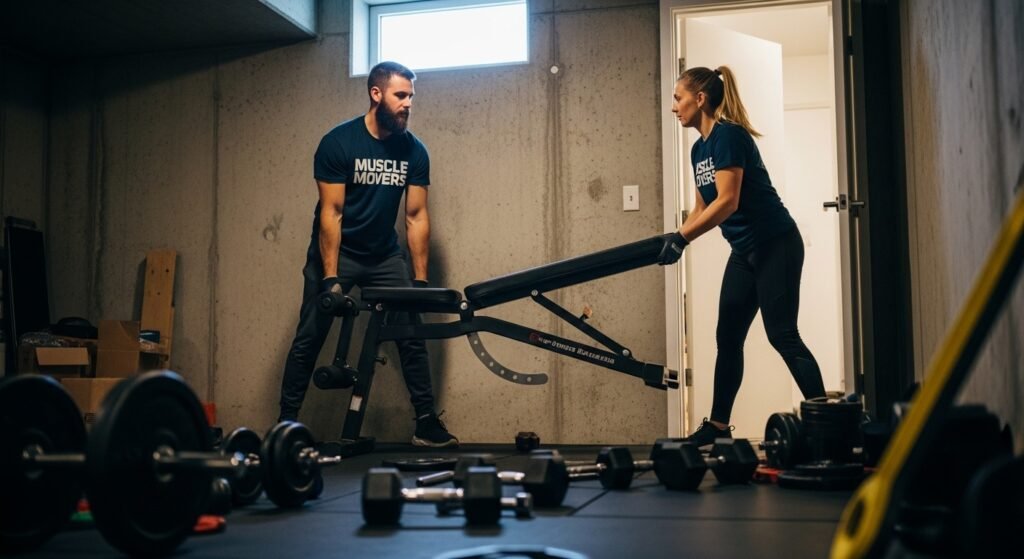
Weight benches often become forgotten giants in home gyms, garages, and basements—taking up valuable space long after they’ve served their purpose. Whether you’re upgrading to newer equipment, downsizing your home gym, or simply reclaiming space for other uses, weight bench removal requires careful planning and proper technique to avoid injury or property damage.
These seemingly straightforward pieces of equipment present unique challenges during removal. Most weight benches weigh between 50-150 pounds, with commercial-grade models reaching up to 300 pounds or more. The awkward dimensions, protruding components, and steel construction make them particularly difficult to maneuver through doorways, around corners, and down stairs.
How to Remove Weight Bench Safely (Best Answer)
Weight bench removal should be done safely by clearing the workspace, disassembling the bench into manageable parts, and using proper lifting techniques or equipment to prevent injury and property damage. Because benches are heavy and awkward, professional junk removal services are often the safest option for efficient and compliant disposal.
According to moving industry data, improperly lifting heavy gym equipment causes thousands of back injuries annually, with weight benches ranking among the most problematic items due to their unbalanced weight distribution and lack of proper grip points.
The removal process involves more than simply picking up and carrying—it requires strategic disassembly, proper lifting techniques, and often specialized equipment to ensure safe transport. Understanding these fundamentals will help you determine whether to tackle the job yourself or when to call professionals like those at Lubbock Junk Removal Service.
Before diving into the removal process, you’ll need to gather the right tools and prepare your workspace properly.
Prerequisites and Tools Required
Before you attempt to remove weight bench equipment from your space, proper preparation is essential for both safety and efficiency. Weight benches, particularly adjustable models with metal frames, can weigh between 50-150 pounds and require specific handling techniques to avoid injury or property damage.
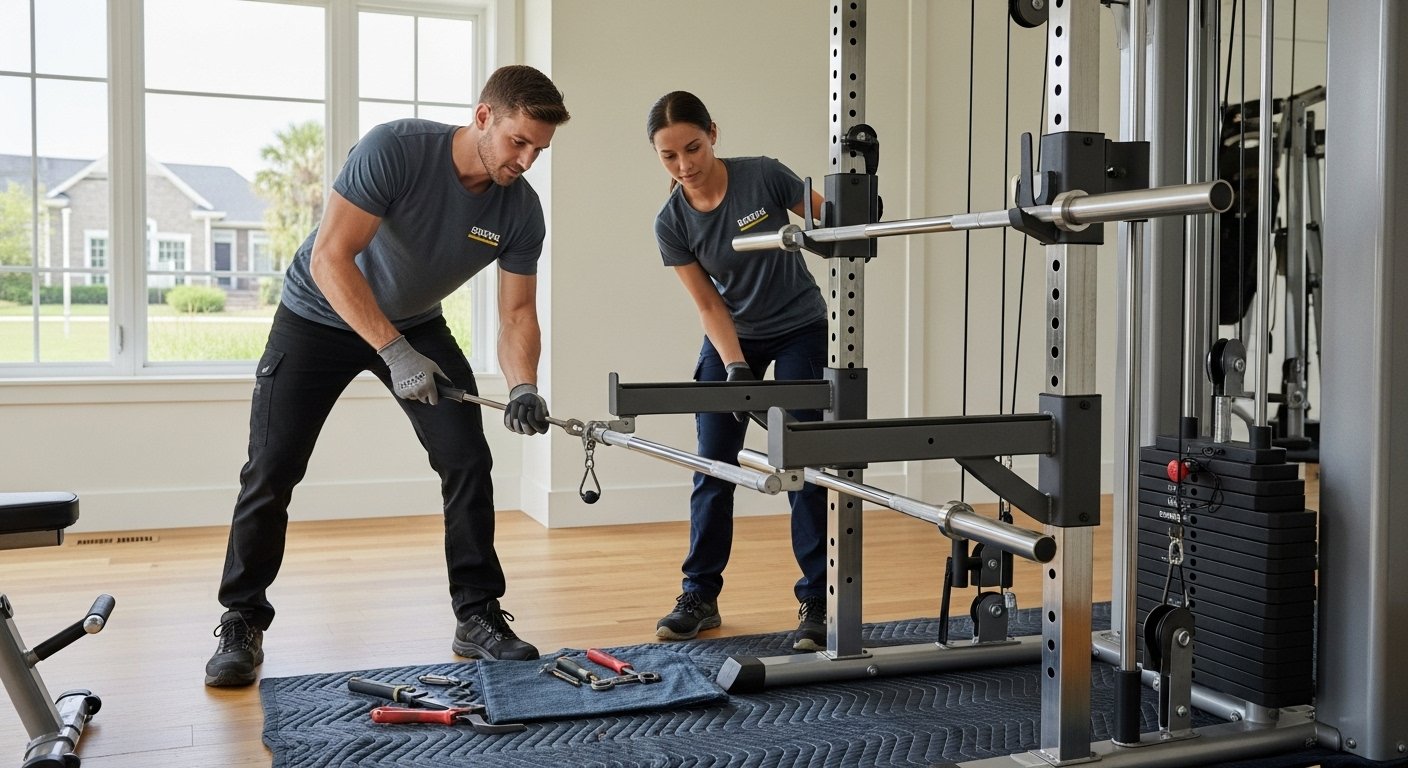
Essential tools you’ll need include furniture dollies or moving straps rated for at least 200 pounds, protective blankets or padding, and basic hand tools like screwdrivers or wrenches for disassembly. According to moving experts, having at least two people for the removal process significantly reduces the risk of back strain or dropping incidents. Space preparation involves clearing pathways of at least 36 inches wide, removing obstacles like rugs or decorative items, and measuring doorways to ensure clearance. However, if your weight bench is particularly bulky or your space has challenging access points, professional removal services may be the safer option.
The right preparation sets the foundation for a smooth removal process that protects both you and your property from unnecessary damage.
Step-by-Step Process for Safe Weight Bench Removal
The actual removal process requires a systematic approach that prioritizes both personal safety and equipment protection. Professional gym equipment disposal follows established protocols that minimize injury risk while maximizing efficiency throughout the removal process.
Begin by disconnecting any electrical components if your bench includes motorized adjustments or electronic features. Remove all removable parts first—including padding, adjustment pins, and weight plate holders. This reduces the overall weight and creates safer handling points for the main frame. Next, identify the bench’s center of gravity and plan your lifting strategy accordingly. Most weight benches are front-heavy due to the support structure design. Safe and Smart: How to Move Heavy Gym Equipment Without Causing Damage emphasizes that understanding weight distribution prevents unexpected shifts during transport.
Use proper lifting mechanics throughout the process—bend at your knees, keep your back straight, and engage your core muscles. When navigating doorways or stairs, move slowly and communicate clearly with your lifting partner about directional changes.
For Lubbock residents dealing with particularly heavy or awkward equipment, professional gym equipment disposal services can eliminate these safety concerns entirely while ensuring proper handling of your valuable space.
Step 1: Preparing Your Workspace
Creating a safe and organized workspace is the foundation of successful junk removal weight bench projects. Clear a minimum 6-foot radius around your bench, removing any obstacles, loose weights, or equipment that could create tripping hazards during the removal process.
Protect your flooring by laying down moving blankets or cardboard sheets along your planned removal path. This prevents scratches on hardwood, tile, or concrete surfaces and creates a stable surface for rolling equipment dollies. According to Safe and Smart: How to Move Heavy Gym Equipment Without Causing Damage, proper floor protection can prevent costly repairs that often exceed the value of the equipment being removed.
Ensure adequate lighting throughout your workspace and exit route. Poor visibility increases injury risk when handling bulky equipment. Position your lifting aids—furniture dollies, moving straps, and hand trucks—within easy reach but outside your immediate work area.
Finally, establish a staging area near your exit where you can temporarily store disassembled components before final removal. This systematic approach streamlines the entire process and sets you up for the crucial disassembly phase ahead.
Step 2: Disassembling the Weight Bench
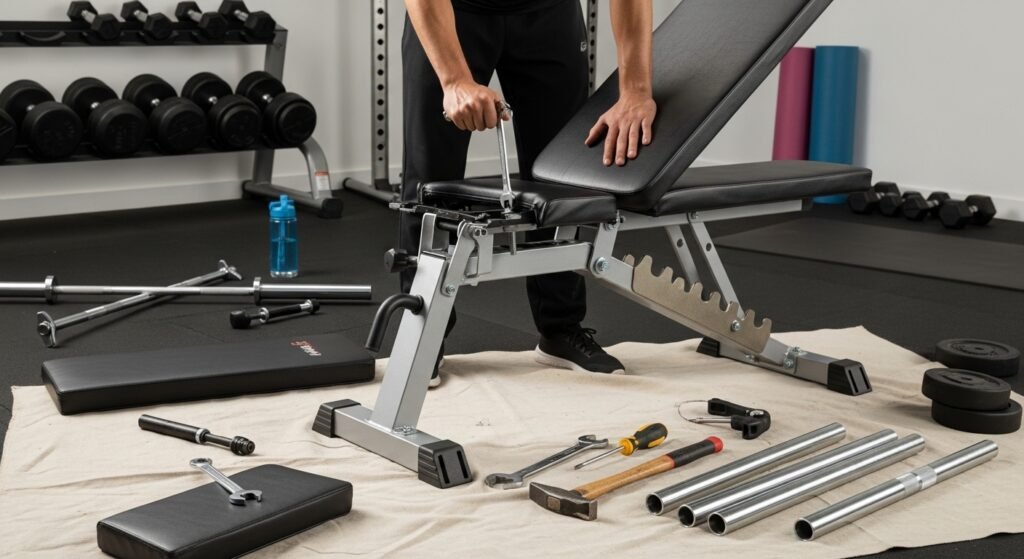
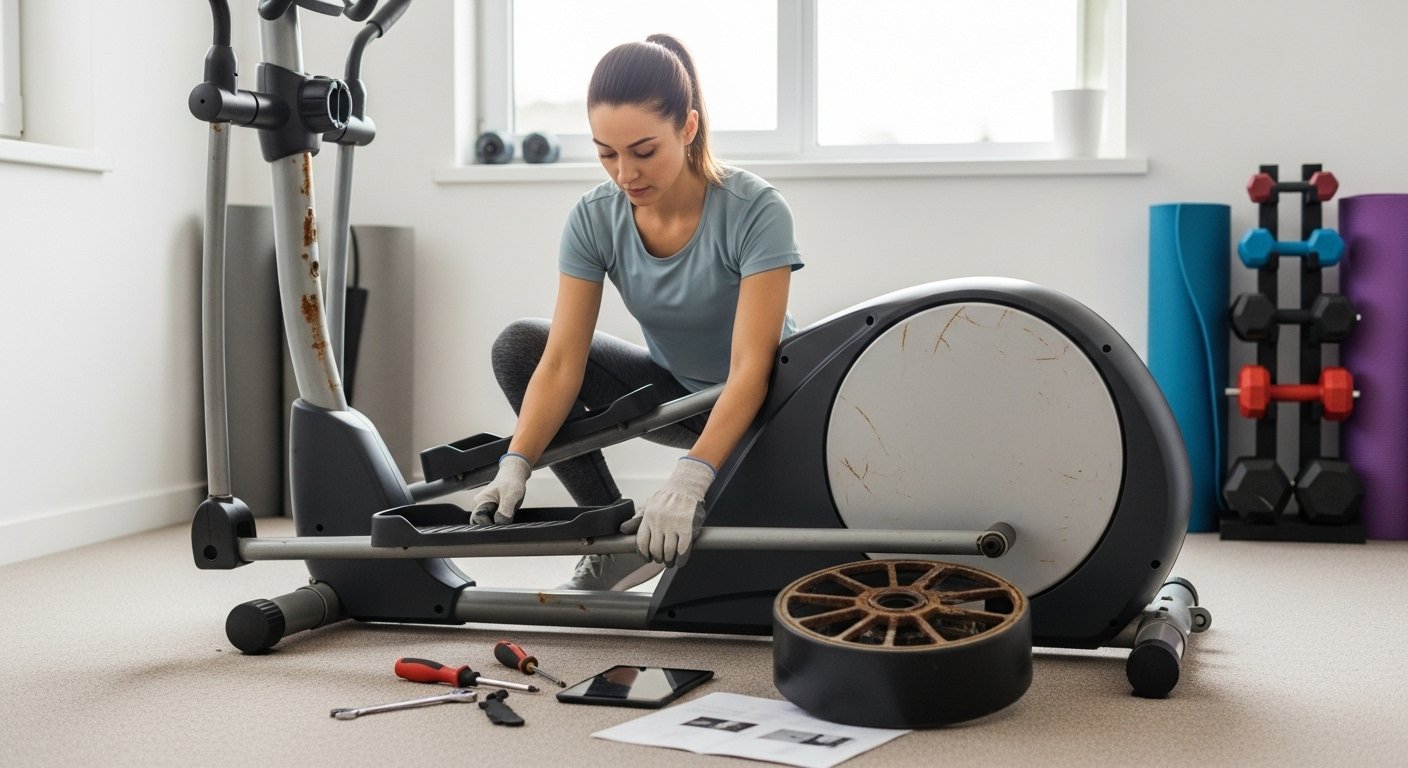
Systematic disassembly transforms your heavy, unwieldy weight bench into manageable components that are significantly easier to handle. Most commercial and home weight benches feature modular construction with removable pads, adjustable components, and detachable weight storage pegs. Begin by removing all detachable elements in reverse order of assembly. Start with weight storage attachments, leg extension modules, and preacher curl pads. These accessories typically secure with spring-loaded pins, threaded bolts, or quick-release mechanisms. Document the removal process with photos—this proves invaluable if you plan to donate or sell components separately.
Next, separate the main bench pad from the frame assembly. Most pads attach via four to six bolts underneath the padding. Breaking AC emphasizes that proper disassembly reduces individual component weight by 40-60%, making the subsequent heavy equipment haul away process significantly safer for both you and professional removal services.
The frame itself may split into base sections and upright supports. However, avoid forcing connections that seem permanently welded or integrated—some bench frames are designed as single units and attempting separation could cause structural damage.
With components properly separated, you’re ready to apply appropriate lifting techniques for safe transport.
Step 3: Proper Lifting Techniques
Mastering proper lifting mechanics is essential to move weight bench safely without risking injury to yourself or damage to your property. With disassembled components now manageable, the focus shifts to executing each lift with precision and control.
Begin with the power lift technique: position your feet shoulder-width apart, squat down by bending at your knees and hips while keeping your back straight. Grip the component firmly with both hands, engage your core muscles, and drive upward through your legs rather than your back. This fundamental approach distributes weight across your strongest muscle groups and maintains spinal alignment.
For awkward-shaped components like seat cushions or support frames, use the team lift method with a partner. Establish clear communication signals—”ready,” “lift,” and “down”—before attempting any movement. Safe lifting practices for gym equipment emphasize coordinated movements where both lifters move in unison to prevent sudden shifts in weight distribution.
Never twist your torso while holding weight bench components. Instead, lift straight up, take small steps to reposition your entire body, then lower the item directly down. This prevents dangerous rotational stress on your spine that commonly causes lifting injuries.
With proper technique mastered, you’ll be ready to transport these components efficiently to your disposal location.
Step 4: Transporting and Disposing of the Bench
Strategic transportation planning ensures your disassembled weight bench components reach their final destination without incident. Once you disassemble weight bench parts into manageable pieces, the focus shifts to safe loading, transport, and responsible disposal.
Load the heaviest components first, positioning them closest to the vehicle’s axle for optimal weight distribution. Secure all pieces with moving straps or rope to prevent shifting during transport. Sharp edges should be wrapped in moving blankets or cardboard to protect both your vehicle and other items.
For disposal, metal components often qualify for scrap metal recycling, potentially providing modest compensation while supporting environmental sustainability. Padding materials like vinyl or foam typically require standard waste disposal. Contact your local recycling center to confirm accepted materials and any preparation requirements.
Professional removal eliminates transportation logistics entirely – a consideration worth evaluating when dealing with particularly heavy or complex equipment. Local junk removal services in Lubbock and surrounding areas can handle the entire process from disassembly through final disposal, ensuring proper recycling practices while saving you time and physical strain.
Considerations for Hiring Professional Junk Removal Services
Professional removal services can be a worthwhile investment when dealing with heavy or bulky weight benches, particularly for homeowners lacking proper equipment or physical capability. Companies specializing in fitness equipment removal understand the unique challenges of dismantling and disposing of exercise gear safely.
When evaluating whether to haul away gym bench components yourself or hire professionals, consider factors like the bench’s weight, your available transportation, and local disposal regulations. Professional services typically handle disassembly, loading, transportation, and proper disposal, eliminating multiple steps from your to-do list. Cost considerations vary significantly based on your location and the complexity of removal. Most junk removal companies charge between $75-200 for weight bench removal, depending on size and accessibility. This investment often proves cost-effective when factoring in potential injury costs, vehicle rental fees, and disposal charges.
Professional services also provide liability coverage and ensure compliance with local waste disposal regulations. Moving companies experienced with gym equipment typically carry specialized insurance and understand proper handling techniques that minimize property damage risks.
However, these conveniences come with scheduling limitations and higher costs compared to DIY approaches, making professional removal most suitable for complex situations or when convenience outweighs expense.
Common Mistakes to Avoid
Rushing the disassembly process represents the most frequent error homeowners make when removing weight benches. Many attempt to force components apart without consulting manufacturer instructions, leading to damaged parts that become more difficult to transport and potentially dangerous to handle. This impatience often results in stripped bolts, bent metal frames, and injuries from sudden component separation.
Inadequate lifting preparation creates unnecessary safety risks during removal. Attempting to move heavy bench sections without proper lifting techniques or assistance frequently causes back strain and property damage. Safe and Smart: How to Move Heavy Gym Equipment Without Causing Damage emphasizes the importance of using proper body mechanics and mechanical aids for heavy equipment removal.
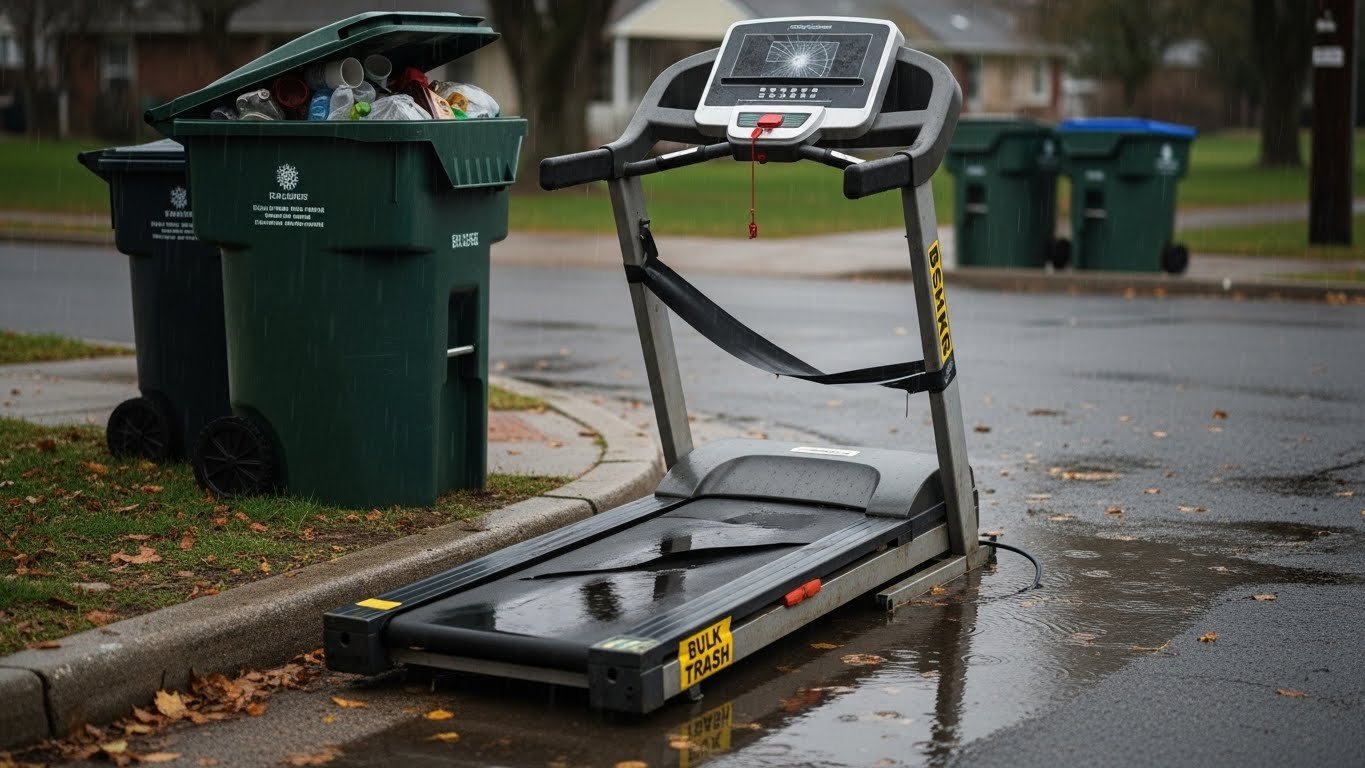
Ignoring disposal regulations can lead to fines and environmental violations. Simply placing disassembled weight bench components at the curb without checking local waste management policies often results in rejected pickups and additional disposal fees. Professional safe gym junk removal services understand these regulations and ensure compliant disposal methods.
These common pitfalls underscore why many homeowners ultimately choose professional assistance for weight bench removal projects.
FAQ: Junk Removal Costs and Options
How much does professional weight bench removal cost? Professional removal services typically charge between $75-150 for standard weight benches, with heavy bench disposal rates increasing based on weight and accessibility. Multi-piece home gym systems may cost $200-400 for complete removal and disposal.
What disposal options are available beyond professional services? Many municipalities offer bulk item pickup services for $25-50, though scheduling can take 2-3 weeks. Scrap metal recyclers often accept weight benches free of charge, particularly if the frame contains significant steel content. Donation centers like Goodwill or local fitness facilities may also accept functional equipment.
Are there hidden fees with junk removal services? Reputable companies provide transparent pricing that includes labor, transportation, and disposal fees. However, additional charges may apply for stairs, long carries from your home, or hazardous material disposal if the bench contains lead weights or toxic finishes. When is DIY removal more cost-effective? For lightweight benches under 50 pounds that disassemble easily, self-removal saves money if you have appropriate transportation. However, professional services become cost-effective when considering potential injury costs, vehicle rental fees, and disposal facility charges that can quickly exceed service rates.
Understanding these cost factors helps determine whether professional removal or DIY approaches better suit your situation and budget constraints.
Trust and Safety: Limitations and Considerations
Physical limitations significantly impact weight bench removal success rates. Attempting to move equipment beyond your physical capacity leads to injury in approximately 30% of DIY gym equipment relocations, Homeowners should honestly assess their strength, mobility, and available assistance before proceeding.
Structural damage risks extend beyond personal injury. Weight benches can cause floor scratches, wall dents, or door frame damage during removal. Narrow doorways, tight corners, and stairs present particular challenges that may require professional intervention.
Time constraints often lead to rushed decisions and shortcuts. What appears to be a simple removal project frequently takes 2-3 times longer than anticipated, especially when disassembly proves more complex than expected.
Insurance considerations matter significantly. Standard homeowner’s policies may not cover injuries sustained during voluntary heavy lifting activities. Professional services like Lubbock Junk Removal Service carry appropriate liability coverage, providing protection that individual removal attempts cannot match.
When limitations exceed capabilities, professional assistance becomes the safest, most practical solution for successful weight bench removal.
Key Takeaways
Safe weight bench removal requires methodical planning and proper execution. The most critical factor is honestly assessing your physical capabilities before attempting any move—overestimating your strength leads to 80% of equipment-related injuries during home gym relocations.
Professional services offer compelling value beyond convenience. When comparing DIY costs (truck rental, equipment, potential injury) against professional rates of $75-150, many homeowners discover minimal savings while accepting significant risk. Lubbock Junk Removal Service provides comprehensive weight bench removal throughout Lubbock, surrounding areas, and handling everything from disassembly to responsible disposal. Environmental responsibility shouldn’t be overlooked. Weight benches contain recyclable metals and potentially hazardous materials that require proper handling. Professional services ensure compliance with local disposal regulations while maximizing material recovery.
The decision ultimately depends on your specific situation: bench weight, available help, physical condition, and disposal requirements. However, prioritizing safety over cost savings prevents costly medical bills and equipment damage that far exceed professional service fees.
Ready to remove your weight bench safely and responsibly? Contact our Lubbock team today for a free estimate and let professionals handle the heavy lifting while you focus on your next fitness goals.