Home gym systems have revolutionized the way we approach fitness. No longer do you need to fight traffic or squeeze into overcrowded gyms; your workout space is now just a few steps away from your living room. However, as life changes, so may your home gym needs. Whether you’re moving to a new home, upgrading equipment, or simply decluttering, knowing how to remove these bulky systems safely is essential.
Improper removal can lead to damage—not only to the equipment but also to your walls and floors. It’s more than just pulling pieces apart; it requires careful planning and execution. In this guide, we’ll walk you through everything you need for a hassle-free disassembly process of your home gym system, ensuring that you keep both yourself and your surroundings safe while making way for new opportunities in fitness.
Removing home gym systems isn’t just a matter of clearing space—it’s a matter of safety.
Improper removal can lead to serious injuries. Heavy equipment may tip, slide, or fall unexpectedly, causing strain or accidents. Taking the time to disassemble equipment correctly significantly reduces these risks.
Additionally, many gym machines are complex and require specific disassembly steps. Rushing the process may damage parts, making the equipment unusable for resale, donation, or recycling.
From a property standpoint, improper handling can scratch floors, dent walls, or damage door frames. Professional removal services, such as Lubbock Junk Removal Service, are trained to protect your home while handling large, awkward items.
Follow these steps to ensure a smooth and safe removal process:
Unplug all electrical connections before starting to eliminate shock hazards.
Review the manufacturer’s manual, if available, for recommended disassembly instructions.
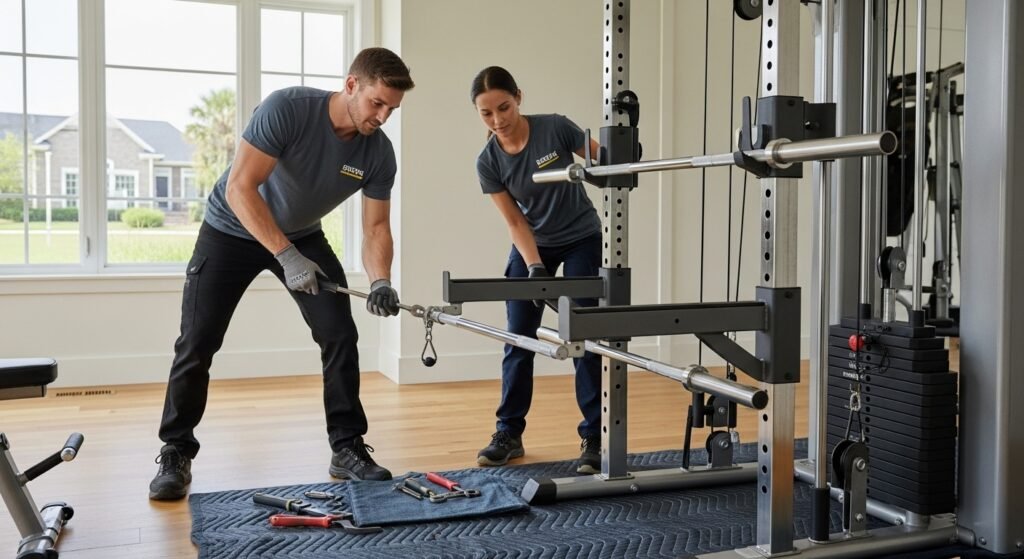
Remove detachable parts such as weights, benches, cables, and attachments first.
Organize screws and bolts in labeled bags to prevent loss.
Disassemble from the top down, starting with upper components before removing the base.
Lift carefully using proper technique—bend at the knees, not the back.
Ask for help when moving heavy or oversized pieces.
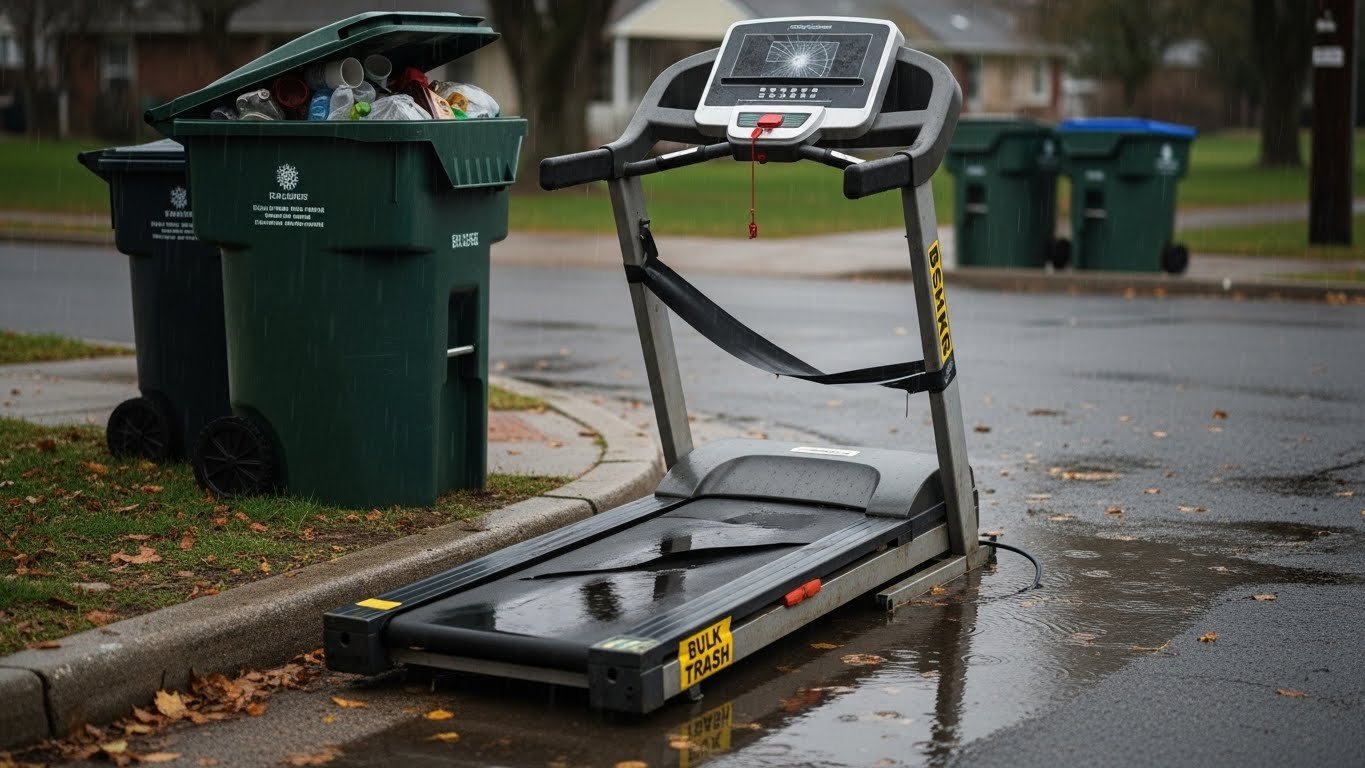
For larger multi-station gyms or commercial-grade equipment, scheduling a bulk item pickup is often the safest option.
Tools and Equipment Needed
Having the right tools makes removal faster and safer:
Basic tools
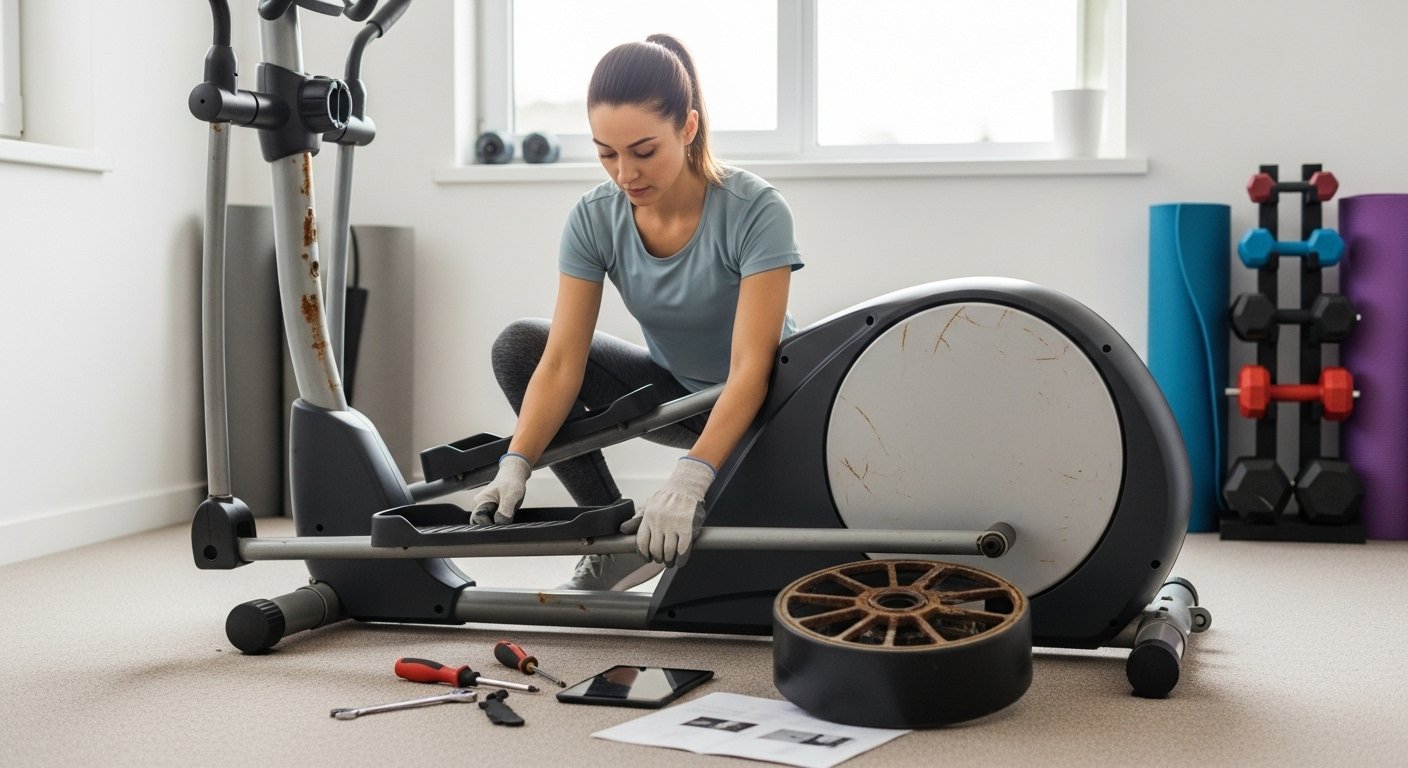
Screwdrivers (flathead and Phillips)
Adjustable wrench
Socket set
Allen keys (commonly required for gym systems)
Helpful extras
Lifting straps or moving dollies
Work gloves
Safety goggles
Ziplock bags for hardware
Permanent marker for labeling
Using proper tools reduces strain and prevents accidental damage during disassembly.
Helpful Tips for Disassembling and Moving
Take photos during disassembly to make reassembly easier if needed.
Label each component clearly, especially cables and brackets.
Create clear walking paths before moving large pieces.
Protect floors and walls with cardboard or furniture blankets.
Work slowly and methodically—rushing increases injury risk.
If you’re short on time or dealing with multiple bulky items, a professional junk hauling service in Lubbock can handle everything from lifting to proper disposal.
Potential Challenges and How to Overcome Them
Heavy weight: Home gym systems are extremely heavy. Always use team lifting or mechanical aids like dollies.
Conclusion: Enjoy a Safe and Stress-Free Home Gym System Removal Process
Removing your home gym system doesn’t have to be stressful. With proper planning, the right tools, and a careful approach, you can safely reclaim valuable space in your home.
Whether you plan to sell, donate, recycle, or discard the equipment, taking the correct removal steps protects both your health and your property. And if the job feels too big, professional junk removal experts can take care of everything from lifting to disposal—saving you time and effort.
With safety as your priority, you’re now ready for a smooth, hassle-free home gym removal experience.